For Mateo Canarte-Toro, the problem with the contemporary art market is not a lack of talent. It is structure.
“There’s a lot of smoke and mirrors in the art industry,” Canarte-Toro said. “Artists are asked for exclusivity rights, sometimes in perpetuity, and then paid 10 percent or 20 percent. You’re essentially giving away your child.”
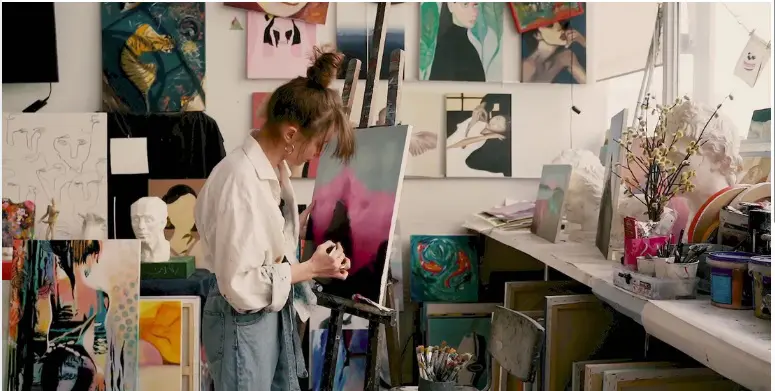
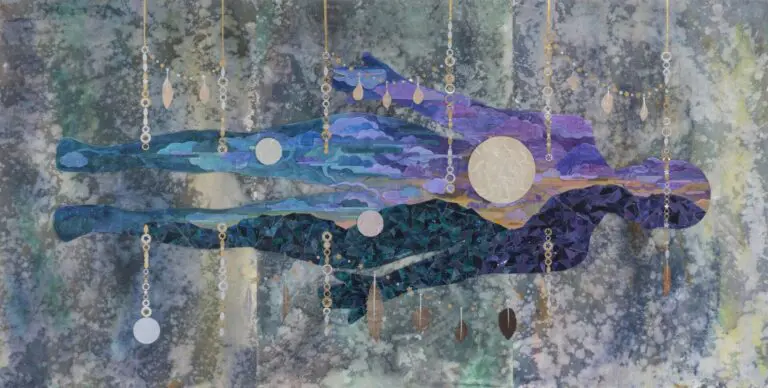
That critique became the foundation of Muse and Matter, a Miami-based artist collective Canarte-Toro co-founded with Zachary Corliss and Noah Robersonn that launched this week. The platform brings together photographers, painters, illustrators and digital artists under a single, nonexclusive marketplace designed around transparency, pricing autonomy and narrative ownership.
“Muse and Matter came to be because we wanted all these different artists across different muses,” Canarte-Toro said. “Whether it’s a camera, a mouse, an iPad, a paintbrush, we think all muses matter. You’re creating something from nothing into physical matter.”
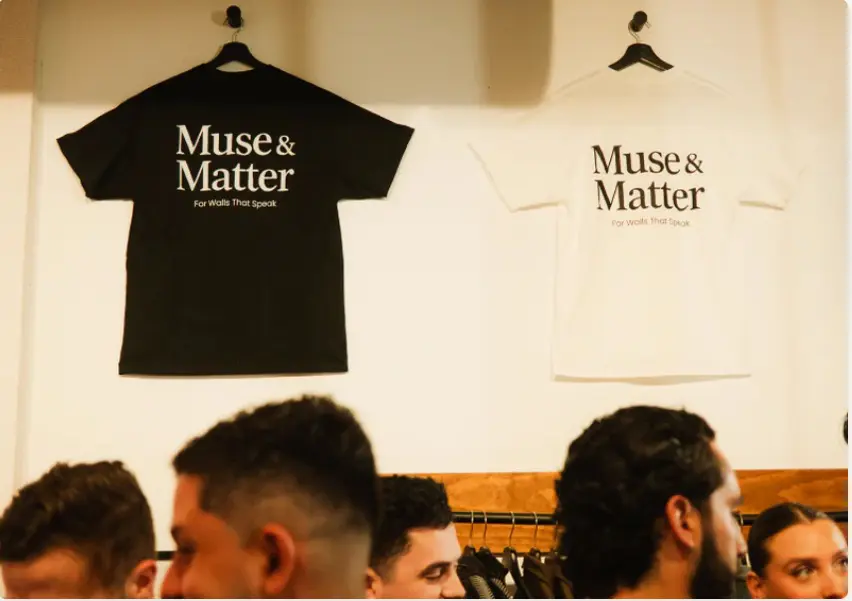
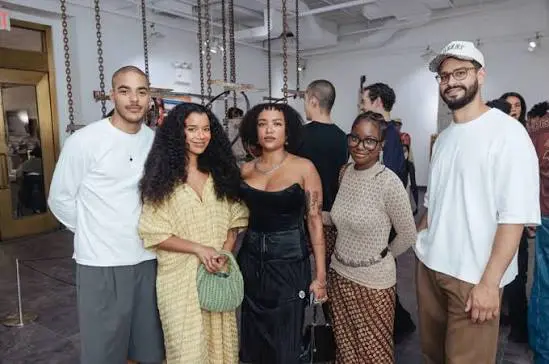
The collective formally introduced itself during Miami Art Basel with a launch event hosted at Congo Clothing Company, a space known for linking fashion production to paid training and labor for women artisans in the Congo. The partnership was intentional, not aesthetic.
“When you actually understand what someone went through to create something, knowledge becomes appreciation,” Canarte-Toro said. “That’s what we look for in partners. If the story isn’t real, it doesn’t resonate.”
Muse and Matter does not take ownership of artists’ work. Instead, artists configure how their pieces are produced, from paper type and framing to glass selection and finish. Costs are disclosed line by line.
Canarte-Toro says, “We show what it costs to manufacture, produce, ship. We show what we need to reinvest into marketing. Then we say, where do you want to price?”
That structure allows artists to prioritize differently. Some price for accessibility. Others price based on demand or audience size. Muse and Matter provides guidance but does not impose limits.
“We would never tell an artist, this is where you have to sell,” Canarte-Toro said. “If someone wants accessibility, we support that. If someone has a following and wants to price higher, that’s their decision.”
Control extends beyond production and pricing to narrative.
“We give artist control over every single detail on the website,” he said. “Why this piece exists. What moment they were in when they created it. People want something authentic.”
Muse and Matter’s approach to curation is selective, but not driven by social metrics.
“We don’t curate by following,” Canarte-Toro said. “We have artists with 100,000 followers and artists with 500. That doesn’t matter to us.”
What does matter is story, craft and intent.
“We look for authentic artists who are talented, who have something to say and who want community,” he said. “Not people looking for a quick buck.”
The collective has not taken a hard stance against AI-assisted art, though it approaches the category cautiously.
“I wouldn’t say we’re opposed,” Canarte-Toro said. “There’s an art to prompting. But every decision we make comes back to storytelling. If there’s an authentic story behind it, it’s worth consideration.”
Looking ahead to 2026, Muse and Matter plans to expand artist profiles, behind-the-scenes documentation and themed collections, while continuing pop-ups and partnerships aligned with its values.
“Socials are where we tell our stories,” Canarte-Toro said. “Meet the artist. Here’s their work. Here’s why they do what they do.”
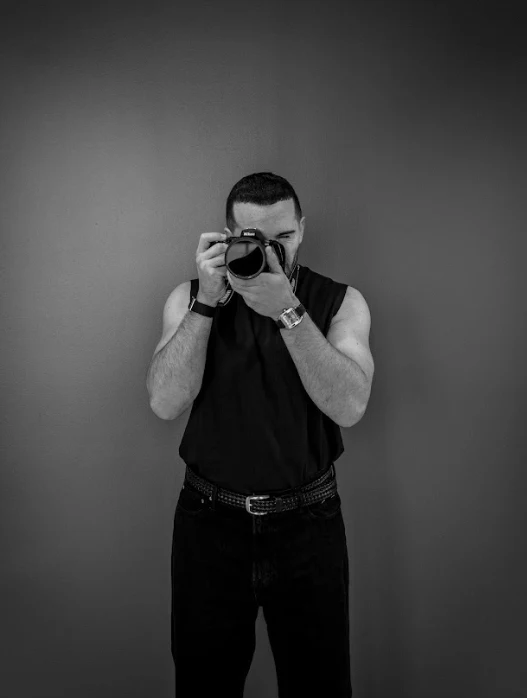
Canarte-Toro traces his own connection to storytelling back to journalism classes and early photography.
“I’ve always loved knowing someone’s story,” he said. “Until you know, you’re only working off assumptions.”
Muse and Matter is positioning itself as a response to an art economy many artists say no longer serves them. Its bet is on transparency, fairness and narrative control not just hype.