History of Fake Eyelashes: How CocoLash Is Reinventing Glamour from Ancient Egypt to Today
From Cleopatra’s Kohl to CocoLash: The Ultimate Fake Eyelash Story and Review
By Annette Whitehead for New York Edge News
Fake eyelashes have long been associated with glamour and dramatic expression, and this legacy is the backbone of today’s lash industry. According to the American Lash Association, ancient Egyptians believed that darkening and thickening eyelashes would ward off evil spirits and protect eyes from the sun’s harsh rays.
In other early societies, long lashes were seen as a sign of good health, vitality and, in some cultures, chastity and morality. The same association explains that nineteenth‑century women sometimes had strands of hair delicately sewn onto their eyelids—an uncomfortable process that may have inspired early mascara and false lash inventions. Eventually, strips or clusters of lashes were applied directly to the eyelid for a less painful enhancement, helping fake eyelashes evolve into the beauty staples we know today.
Innovation accelerated in the twentieth century. A history of eyelash extensions on Stacy Lash’s website notes that Canadian inventor Anna Taylor patented a strip of artificial lashes in 1911. The product—made from human hair woven into fabric—took time to catch on. Five years later, the Hollywood film industry boosted interest when director D.W. Griffith insisted that actress Seena Owen wear lashes “long enough to brush her cheeks” in the 1916 film Intolerance. As films flourished, materials ranged from human hair to synthetic fibers, and comfort and safety remained concerns.
False eyelashes stayed popular through the 1920s and 1930s, and by the 1950s and 1960s they were available at drugstores and beauty counters, opening the market to a wider range of cultures. The trend expanded in the 1970s to celebrities, office workers and even churchgoers. During the 1980s and 1990s, innovations like lightweight plastics, silk and synthetic mink made false lashes more comfortable. Today, “falsies” come in various shapes, lengths, colours and materials—magnetic lashes with tiny magnets, individual lash extensions and traditional strip lashes applied with glue. Throughout these changes, fake eyelashes have endured and adapted with the times.
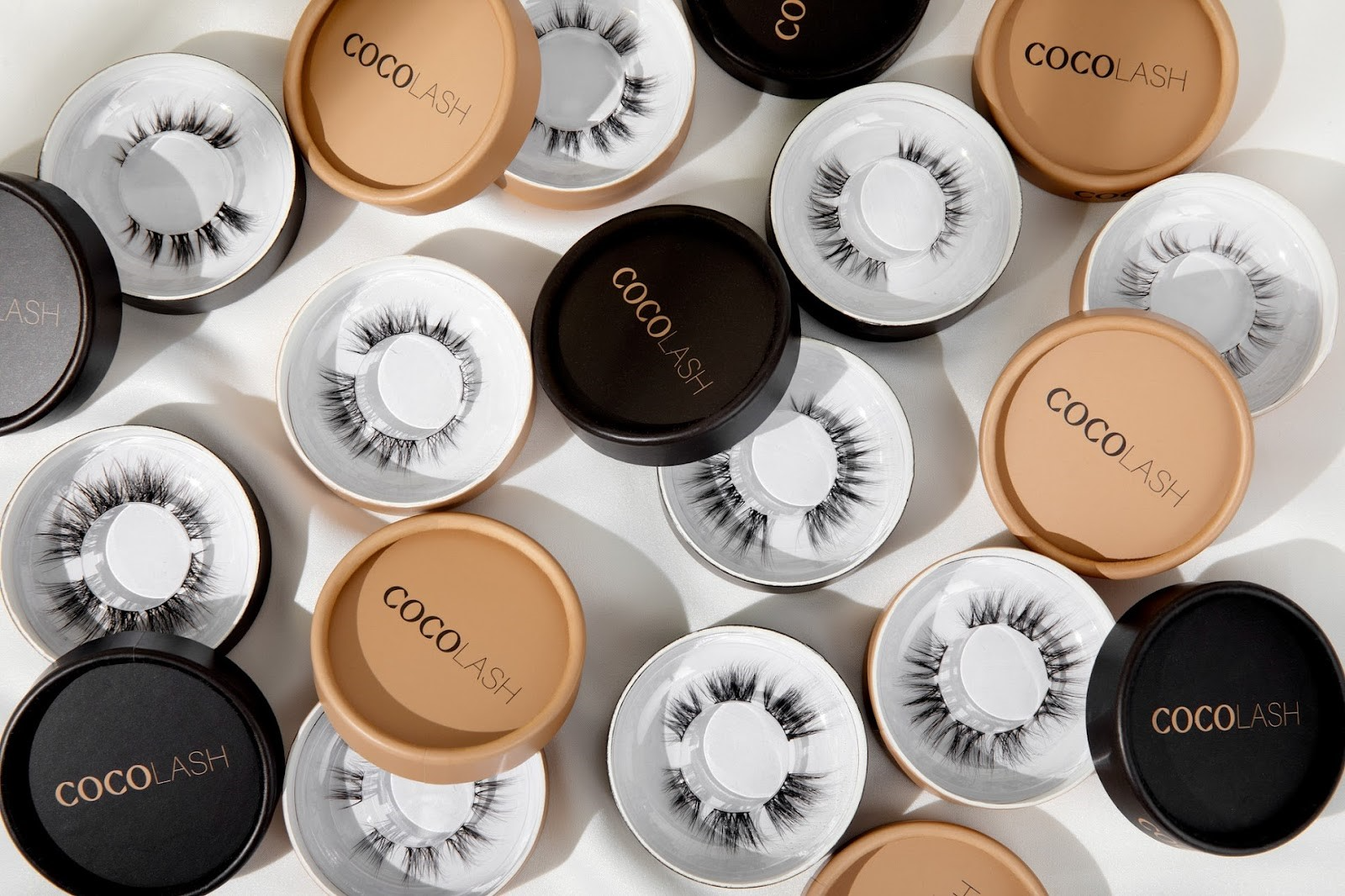
In the present day, I discovered CocoLash, a Black‑owned brand that aligns with modern beauty standards by offering vegan, cruelty‑free and hypoallergenic lashes. According to the company’s official site, CocoLash celebrates the extraordinary in everyone and aims to elevate beauty routines with high‑quality lashes.
The brand offers the Poppy Kit, which simplifies lash application with tweezers, scissors, adhesive bond, sealant remover and three sizes of soft lashes. CocoLash lashes are lightweight and easy to apply: you remove clusters of 10 mm, 12 mm, 14 mm or 16 mm—creating short, medium or long lengths—trim them and apply them along your lash line. With proper application, the lashes last up to five to seven days. The line also includes a Volume collection with kits named Poppy, Dahlia, Marigold, Orchid and Rose for a standout look, and a Classic collection for everyday wear with Peony, Violet, Jasmine, Iris and Daisy. Each product is designed with quality materials and crafted for comfort and durability.
As the saying goes, “the eyes are the window to the soul.” From ancient beliefs about protection and purity to the glitz of Hollywood and today’s diverse options, false eyelashes continue to reflect evolving ideals of beauty. CocoLash offers a modern twist on this long history by combining premium materials with styles that cater to individual preferences, giving wearers a way to express themselves through their lashes. With keywords like history of fake eyelashes, CocoLash review, vegan cruelty‑free lashes and lash extensions woven throughout this article, it’s optimised for readers and search engines alike—perfect for going viral in a beauty‑obsessed world.
Author
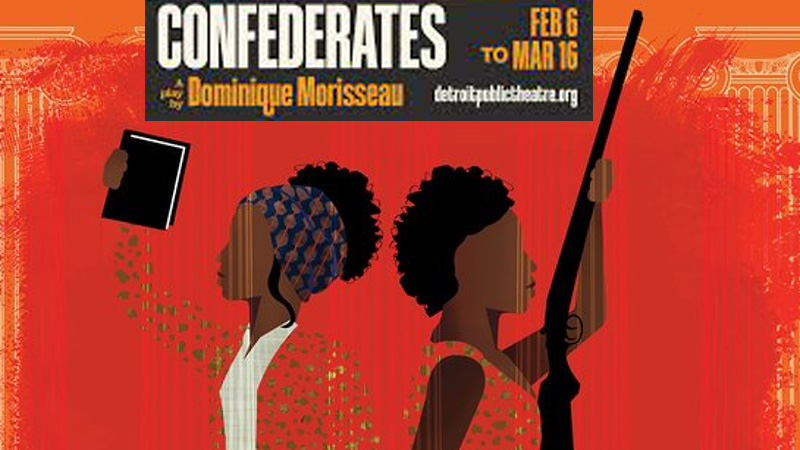
Dominique Morisseau’s “Confederates” unveils the timeless dynamics of power and survival through a unique historical lens. Dominique Morisseau’s Confederates goes
The majority of the world’s billionaires didn’t inherit their fortunes—they built them. According to the 2024 UBS Billionaire Ambitions Report,
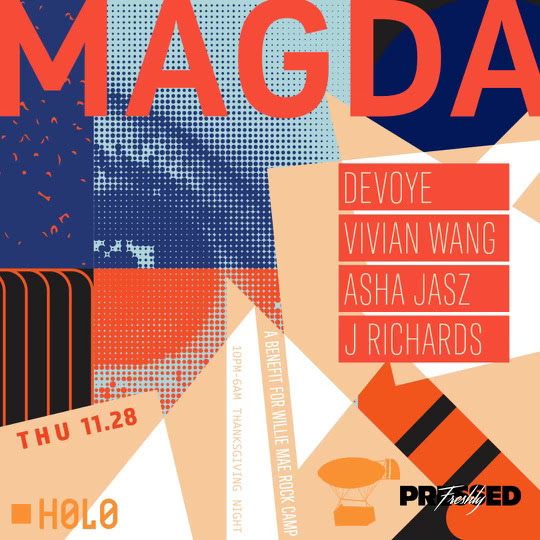
NEW YORK — Thanksgiving night in Brooklyn promises more than turkey and football as Freshly Pressed and Import/Export team up
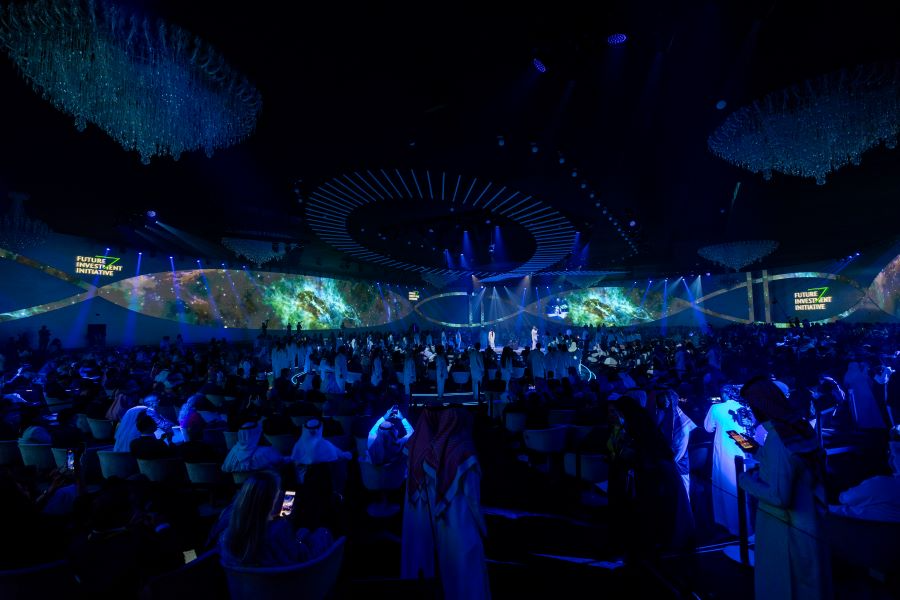
Photographer Credit: Saud Abushaiqa RIYADH, Saudi Arabia — As former President Donald Trump emerged as the projected winner of the
Photo credit: David Benthal/BFA.com On a crisp October evening in Manhattan, The Prisoner Ball took over Chambers Hall in a
Against the stunning backdrop of Mexico’s beaches, Raising Cane’s CEO Todd Graves and Co-CEO AJ Kumaran hosted an unforgettable ‘Canecun’

Blending cutting-edge engineering with high fashion, Charcoal has redefined what a modern work bag can be. Introducing The Case, the
As fall fashion week begins, it is impossible not to remember one of the defining cultural crossovers of the summer:
In the barbershop with lighthearted banter and be, pals Parker and Jenkins play checkers before the drama of this story
Share
CATEGORIES
Need More Help