
Why Most Billionaires Are Self-Made: How Wealth Creation Is Changing in the 21st Century
The majority of the world’s billionaires didn’t inherit their fortunes—they built them. According to the 2024 UBS Billionaire Ambitions Report, a staggering 70% of today’s billionaires are self-made, crafting their wealth through a combination of innovation, risk-taking, and strategic investments. Over the last decade, the number of billionaires has surged by more than 50%, with self-made fortunes dominating the list.
Tech entrepreneurs have been the fastest-growing segment among billionaires, their combined wealth tripling from $789 billion in 2015 to $2.4 trillion in 2024. This explosive growth has been fueled by advancements in generative AI, robotics, fintech, and cybersecurity. But what sets these self-made billionaires apart from the rest, and what does it take to join their ranks?
The Billionaire Mindset: Innovation and Resilience
Self-made billionaires share common traits that set them apart. Vision, an ability to identify gaps in the market, and an unrelenting work ethic are foundational. They often take calculated risks, whether investing in groundbreaking technology or entering volatile markets. Many began with modest means but leveraged their skills and ideas to create transformative businesses. From tech pioneers who built platforms connecting billions of users to retail magnates reinventing supply chains, their paths highlight the importance of adaptability and persistence.
Dr. William Nordhaus, a Nobel Laureate in Economics, defines the societal value of innovation. He estimates that 98% of the benefits of an invention go to society, while only 2% directly enrich the innovator. This suggests that billionaires who achieve success through innovation are not just accumulating wealth but creating ripple effects that shape industries and economies.
Where Billionaires Are Moving—And Why
While their fortunes grow, billionaires are increasingly on the move. In the last four years, individuals worth over $400 billion have relocated to countries like Switzerland, the UAE, Singapore, and the United States. These nations offer favorable tax regimes, political stability, and robust legal protections for assets. The Middle East, in particular, has emerged as a hotspot, attracting billionaires with ambitious infrastructure projects and policies designed to foster innovation.
This trend isn’t just about reducing taxes. Billionaires are seeking environments that align with their business goals and personal values. Countries like the UAE and Singapore provide access to global markets, world-class healthcare, and high-quality lifestyles, making them attractive for wealth preservation and strategic growth.
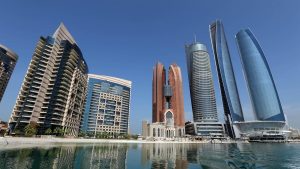
Photo By Ryan Lim/ for Silvia Radan
How Billionaires Are Investing Their Fortunes
Today’s billionaires are more strategic than ever with their wealth. According to UBS, nearly 60% of billionaires now have structured plans for philanthropy and investment, compared to just 46% a decade ago. Their portfolios often include renewable energy, advanced healthcare, and education—sectors poised for long-term growth and societal impact.
Real estate and gold remain popular choices, reflecting a cautious approach to geopolitical and economic uncertainties. Meanwhile, many billionaires are backing startups and disruptive technologies, further fueling innovation in areas like generative AI, 3D printing, and green energy solutions. These investments aren’t just about returns; they reflect a desire to influence the future and address global challenges.
The Rise of Retail and Consumer Goods Billionaires
While tech billionaires are making headlines, the retail and consumer goods sector still holds the largest share of wealth among the top 100 richest individuals. This group accounts for 24% of the elite list, with fortunes built in food, fashion, and household products. Their dominance underscores the enduring power of industries that cater directly to consumers, even as tech billionaires’ growth outpaces all others.
Consumer goods billionaires often rely on brand loyalty and the ability to scale their businesses globally. Companies like Amazon, Inditex, and Nestlé have revolutionized how people shop and consume, proving that understanding consumer behavior is as crucial as developing cutting-edge technology.

Concentrated Wealth and Its Implications
Despite the growing number of billionaires, wealth has become increasingly concentrated. The top 100 wealthiest individuals now control 36% of all billionaire wealth, up from 32% in 2015. This concentration raises questions about economic inequality and the role billionaires play in shaping global policies and economies.
As global wealth dynamics continue to evolve, the billionaires of tomorrow will likely emerge from sectors that prioritize sustainability, technological breakthroughs, and societal impact. The question isn’t just who will become a billionaire next but how their success will shape the world we live in.
#billionaires #wealth #selfmade #tech #retail
Author
In this landmark work, Oxford economist Carl Benedikt Frey traces how progress unravels when power consolidates faster than ideas can

Randolph and Brooklyn Circus launch a unique fashion collection celebrating the Golden 13, transforming history into wearable art. By Kianga

LOS ANGELES (AP) — The Hollywood Bowl has staged its share of unforgettable performances, yet this Friday’s “The Lion
RIYADH, Saudi Arabia — Riyadh Season has unveiled three captivating new zones — Boulevard Runway, Souq Al-Awaleen, and Dunes of
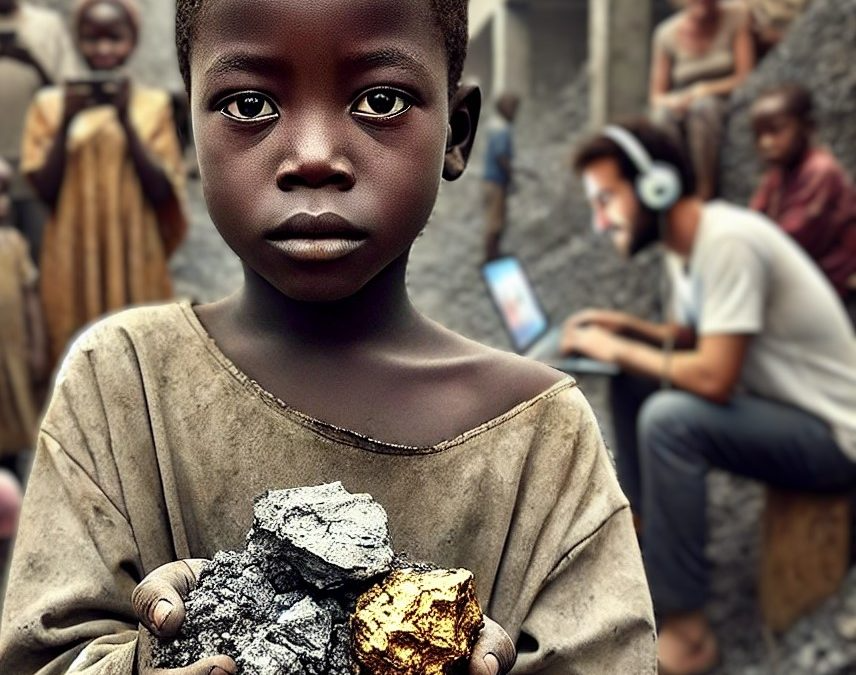
Eastern Congo, home to one of the world’s richest deposits of coltan, enduring conflict in the name of consumer profits

“Citizenship must mean something. If my own government won’t act, who will?” — Sara Saleem The narrative matters Thousands of

Nearly forty years after he first painted a polka-dotted house on Heidelberg Street, Tyree Guyton’s Heidelberg Project remains one of

by: Alesha Lawrence Dandyism remains a dynamic form of self-expression and cultural pride for people of African descent, evolving from

photo credit Evan Zimmerman for MurphyMade Justice Ketanji Brown Jackson will break new ground this Saturday, December 14, at 8

Sanaz Toossi’s “English” Delivers an Intimate Exploration of Language and Identity Revati Iyengar for New York Edge News Photo Credit:
Share
CATEGORIES
Need More Help