How Dandyism Defines Liberation, Identity, and Creativity Across Generations
by: Alesha Lawrence
Dandyism remains a dynamic form of self-expression and cultural pride for people of African descent, evolving from its historical roots into a vibrant aesthetic embraced by contemporary artists and creatives. Its significance lies not only in its visual impact but also in the liberation and identity it embodies.
Originating during the late 18th century, enslaved Africans in the Americas found ways to personalize and transform the extravagant clothing they were often forced to wear. Intended as symbols of their owners’ wealth, these garments became subtle yet powerful expressions of individuality and humanity. Through tailored fits, deliberate styling, and creative flourishes, enslaved individuals redefined the purpose of these clothes, using them to assert their dignity and creativity.
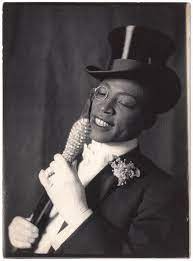
As dandyism evolved in the 19th century, it became a deliberate strategy for asserting identity and rejecting dehumanizing stereotypes. Freed Black men, such as Frederick Douglass, adopted refined dress to complement their public personas. Douglass, an eloquent speaker and abolitionist, used his tailored suits as a visual statement of authority and self-respect, challenging the era’s societal norms. This blend of rhetoric and presentation reflected the broader effort to reclaim identity through style.
Globally, dandyism found unique interpretations within diasporic communities. In post-revolutionary Haiti, fashion was intertwined with national pride, blending French colonial influences with local creativity to symbolize the republic’s independence. South Africa’s Sophiatown during the apartheid era, dandyism flourished within jazz culture, with sharp suits and bold accessories becoming symbols of modernity and resistance in segregated communities.
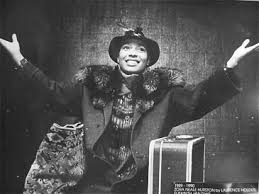
The Harlem Renaissance brought dandyism to the forefront of African American cultural life in the 1920s and 1930s. Figures like Langston Hughes and Zora Neale Hurston embraced the aesthetic as extensions of their artistic identities. During this time, the zoot suit—a flamboyant outfit characterized by oversized tailoring—emerged as an iconic style, reflecting the era’s defiance and exuberance.
ATimeline of The Essence of Dandyism
The Evolution of European Dandyism: The late 18th century saw the emergence of dandyism as a bold deviation from conventional norms. Figures such as Beau Brummell set the tone, using fashion as an assertion of intellect and power. Brummell’s wardrobe—featuring immaculately tailored coats, silk cravats, and polished boots—symbolized a sophisticated rebellion that redefined the expectations of high society.
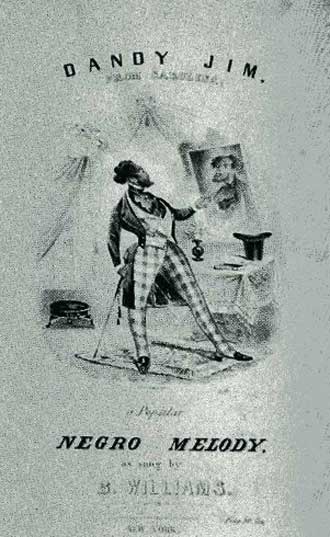
Black Dandyism as a Symbol of Resistance: In America, Black dandyism rose as a compelling counter-narrative, transforming style into an act of defiance. Velvet jackets, brocade vests, and perfectly shined shoes became more than clothing—they were emblems of dignity in a society determined to suppress it. Figures like Dandy Jim, despite being caricatured in minstrel performances, reflected the unsettling power of Black elegance. These sartorial choices were deliberate and powerful, illustrating how fashion could challenge deeply rooted racial norms and assert autonomy.
Representation in Media: Bridgerton’s Dandy Revival: “Bridgerton” breathes new life into dandyism by showcasing it as a timeless, cross-cultural art form. The show’s meticulously designed costumes—frock coats embellished with embroidery, silk waistcoats in bold hues, and tailored trousers—highlight the lasting influence of dandyism as a symbol of self-assured elegance. This representation underscores that dandyism is more than aesthetic—it is an enduring declaration of confidence and resistance.
The Met Gala as a Modern Dandyism Stage: The Met Gala epitomizes dandyism’s place in contemporary culture, showcasing its evolution through themes that merge historical reverence with avant-garde expression. Black designers and attendees have redefined this event as a space for celebrating opulence, heritage, and defiance. Tailored capes, jewel-studded blazers, and intricate embroidery seen on the red carpet symbolize an ongoing narrative of Black resilience and pride. The contributions of designers like Dapper Dan highlight how luxury fashion is harnessed as a medium for storytelling and cultural assertion.
In the 21st century, dandyism continues to inspire artists and creatives, reflecting its lasting relevance. Solange Knowles explored dandyism in her music video Losing You, filmed in South Africa. The video features members of the Le Sape movement (Société des Ambianceurs et des Personnes Élégantes), a Congolese subculture rooted in dandyism. Solange’s vibrant visuals and styling highlight the fusion of elegance and individuality central to dandyism, underscoring its cultural and global significance.
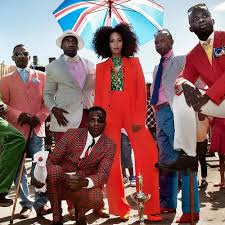
Figures like Jidenna, the Nigerian-American musician known for his hit “Classic Man,” have brought dandyism back into mainstream popular culture. Jidenna’s aesthetic—sharp suits, bold patterns, and intricate detailing—pays homage to both African and African American traditions. His style is a modern embodiment of dandyism’s roots, blending historical sophistication with contemporary flair.
Another notable figure is Fonzworth Bentley, the former personal assistant and stylist to Sean Combs, who became a cultural icon in his own right. Known for his impeccable three-piece suits, colorful bow ties, and signature parasol, Bentley exemplifies dandyism’s creative edge. His presence in the entertainment industry introduced a new generation to the power of sartorial elegance as a form of self-expression. Bentley’s work, including his role as an entertainer and author, has positioned him as a key figure in the continued evolution of this tradition.
The Met Gala and global fashion showcases have also amplified dandyism’s influence in contemporary culture. Designers like Dapper Dan and Ozwald Boateng reinterpret traditional tailoring with bold prints and luxury materials, bridging the past with the present. These designs celebrate dandyism’s rich history while demonstrating its adaptability to modern tastes and contexts.
Dandyism’s significance is not limited to its aesthetic; it reflects a continuous thread of liberation and self-definition across generations. From its historical roots in the Americas and Haiti to its contemporary expressions in music, film, and fashion, dandyism remains a powerful way to celebrate identity and creativity.
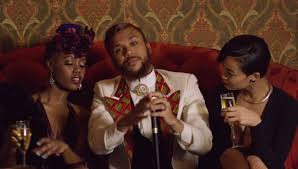
Dandyism’s appeal lies in what it communicates. For people of African descent, it has been a way to assert humanity, claim agency, and celebrate culture. Whether through the opulence of a velvet jacket in 19th-century America, the zoot suits of the 1940s, or Jidenna’s fusion of African and Western influences today, dandyism represents the creativity and resilience of a global diaspora. It is not just a fashion statement but a language of liberation and pride.
Author

Infineo Global calls itself a FinTech. The scale of what it is attempting places the company inside a larger conversation

Loneliness is emerging as one of the most significant yet overlooked drivers of substance misuse, and the data shows a

In July 2025, the White House released a digital‑assets roadmap promising to usher in a “Golden Age of Crypto.” On
Winter skin damage doesn’t happen by accident. It’s the collision of seasonal biology and outdated product decisions. The drop in

Tickets go on sale today for Broadway’s revival of Proof, starring Ayo Edebiri and Don Cheadle, directed by Hamilton’s Thomas
New York Edge News | Curators of News and Information Zohran Kwame Mamdani, born in Kampala and raised in Queens,

At this year’s Pepcom-hosted Holiday Spectacular in New York, technology brands shifted the narrative beyond specs and gaming into the
Water is life, but around the world it’s running out. More than 2.2 billion people live without safe drinking water,

For theater lovers who like to travel, Detroit Public Theatre has launched its eleventh season with the American premiere of
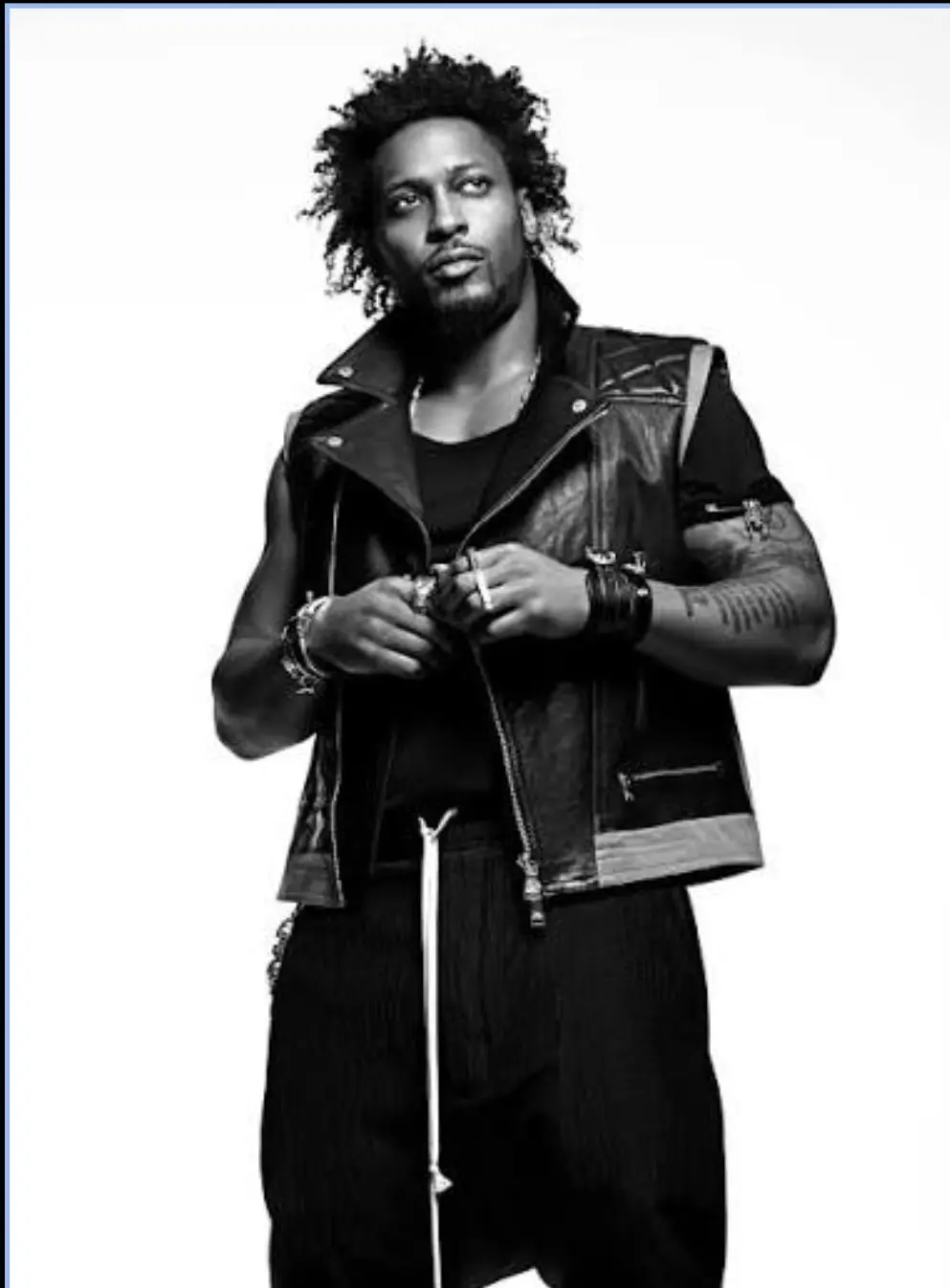
The morning of, October 14, 2025, Michael Eugene “D’Angelo” Archer transitioned from this world. The Neo-soul dynasty lost another iconic
Share
CATEGORIES
Need More Help