Conflict and Coltan: The Hidden Costs of Technology
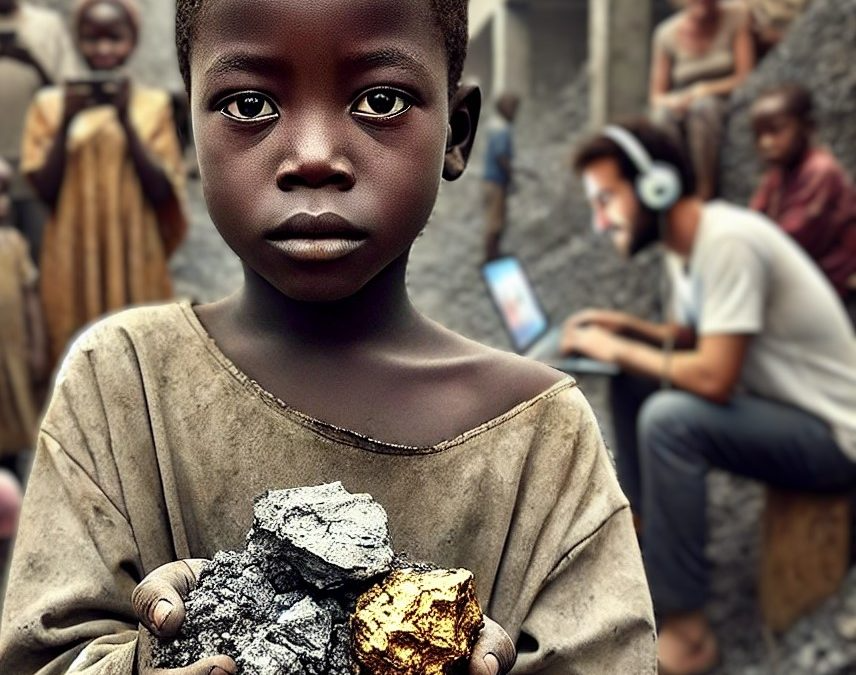
Eastern Congo, home to one of the world’s richest deposits of coltan, enduring conflict in the name of consumer profits remains largely overlooked amid global crises. This mineral, essential for manufacturing tantalum capacitors found in nearly every modern electronic device, has fueled violence, displacement, and economic exploitation, leaving millions of Congolese to bear the human cost of convenience and access to technology that powers our world.
The M23 militia, backed by Rwandan forces, has established a de facto administration in mineral-rich territories, allegedly earning millions of dollars by exporting coltan through Rwanda, according to a report by United Nations experts. Despite a nominal ceasefire signed last year, the rebels continue to consolidate control, most recently seizing Masisi, a strategic town critical to trade routes. Their actions reflect the broader dynamics of resource-driven conflict in the region, which has drawn in more than 100 armed groups since the late 1990s.
Coltan’s Role in Electronics and the Global Supply Chain
Coltan, or columbite-tantalite, is a crucial component in manufacturing smartphones, laptops, gaming consoles, and medical devices. Its tantalum content provides heat resistance in capacitors, enabling efficient energy storage. Companies like Apple, Samsung, and Tesla depend on tantalum to power their products, with the Democratic Republic of Congo supplying an estimated 70% of the world’s coltan reserves.
Yet, this global reliance often bypasses the Congolese people. Exploited by militias and foreign intermediaries, coltan extraction has become a flashpoint for violence rather than an engine for development. Last month, Congo sued Apple in Belgium and France, alleging the company indirectly sourced minerals looted from conflict zones. Apple denied the accusations, citing its policy against sourcing materials from regions plagued by human rights abuses.
Governance Failures and Missed Opportunities
Despite vast mineral wealth, Congo ranks among the world’s poorest nations. A lack of transparent governance has allowed armed groups to dominate mining operations, depriving local communities of economic benefits. These groups impose illegal taxes on miners and control trade routes, creating a shadow economy that further entrenches poverty.
Human rights advocates argue that better governance and international oversight could transform Congo’s mineral wealth into a tool for economic empowerment. Efforts to formalize the mining sector, such as traceability programs like iTSCi, have shown some promise but remain insufficient without stronger enforcement and political will.
Technological Dependency and Alternatives
The demand for tantalum highlights the technology sector’s role in perpetuating Congo’s struggles. While industry leaders claim to audit supply chains, loopholes persist, allowing conflict minerals to enter global markets. As consumers demand more ethical practices, companies must invest in alternatives, such as recycling e-waste to recover tantalum or developing new materials like niobium and graphene that could replace coltan in electronic devices.
To ensure the people of Congo benefit from their natural resources, stronger governance must be established. International bodies should assist Congo in creating transparent mining regulations and enforcing laws to prevent militia control. Mining revenues need to fund local infrastructure, healthcare, and education to improve living standards and disrupt cycles of poverty. Tech companies must enhance supply chain scrutiny, working only with certified mines while increasing the use of recycled materials. Neighboring countries must also be held accountable for facilitating illicit trade through diplomatic pressure and targeted sanctions.
Solutions for Lasting Change
For the people of Congo to benefit from their natural resources, several measures are essential:
- Strengthened Governance: International bodies must support Congo in establishing transparent mining regulations and enforcing legal frameworks to prevent militia control.
- Community Investment: Mining revenues should fund local infrastructure, healthcare, and education to improve living standards and break the cycle of poverty.
- Corporate Accountability: Tech companies must enhance supply chain scrutiny, working only with certified mines and increasing the use of recycled materials.
- Regional Collaboration: Neighboring countries must be held accountable for facilitating illicit trade. Diplomatic pressure and sanctions could deter such practices.
Eastern Congo’s plight is a global concern enmeshed with technology driving our modern life. The devices that connect us often carry the weight of unseen suffering. Addressing this crisis requires a multifaceted approach, balancing technological innovation with ethical responsibility and empowering Congolese communities to reclaim their resources from the grip of conflict.
#congo #coltan #war #awareness #unitednations #technology #apple #solution
Author

Infineo Global calls itself a FinTech. The scale of what it is attempting places the company inside a larger conversation

Loneliness is emerging as one of the most significant yet overlooked drivers of substance misuse, and the data shows a

In July 2025, the White House released a digital‑assets roadmap promising to usher in a “Golden Age of Crypto.” On

Winter skin damage doesn’t happen by accident. It’s the collision of seasonal biology and outdated product decisions. The drop in

Tickets go on sale today for Broadway’s revival of Proof, starring Ayo Edebiri and Don Cheadle, directed by Hamilton’s Thomas

New York Edge News | Curators of News and Information Zohran Kwame Mamdani, born in Kampala and raised in Queens,

At this year’s Pepcom-hosted Holiday Spectacular in New York, technology brands shifted the narrative beyond specs and gaming into the

Water is life, but around the world it’s running out. More than 2.2 billion people live without safe drinking water,

For theater lovers who like to travel, Detroit Public Theatre has launched its eleventh season with the American premiere of

The morning of, October 14, 2025, Michael Eugene “D’Angelo” Archer transitioned from this world. The Neo-soul dynasty lost another iconic
Share
CATEGORIES
Need More Help