
Talent is not protected in tech culture. It is harvested
At the Lucille Lortel Theatre, DATA does something theater has largely avoided: it stages the emotional, ethical, and psychological conditions of modern tech work as they are actually lived. Not futurist fantasy. Not satire. Not spectacle. This production presents the interior reality of the technology sector with clarity and restraint, marking a rare moment where white collar culture is depicted without distortion onstage.
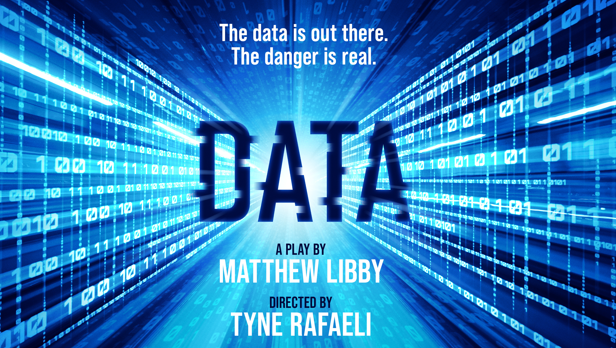
Written by Matthew Libby and directed by Tyne Rafaeli, DATA centers on Maneesh, a gifted programmer navigating Athena, a powerful tech company whose culture is built on selective access, ideological loyalty, and closed systems. Athena functions less like a workplace than a belief structure. Advancement is conditional. Ethics are abstract. Power is normalized through proximity rather than accountability.
This is not a play about technology as an external threat. It is about what technology work does to people internally.
Karan Brar delivers a controlled and layered performance as Maneesh, a character shaped by both talent and restraint. Maneesh understands hierarchy instinctively. He watches before he speaks. He studies social order as carefully as code. His first generation immigrant origin isn’t framed as aspiration or trauma. He already has to live up to the expectations of an older brother, whose survival was compromised within the structures of elite institutions.
The central betrayal unfolds as the pacing changes when Maneesh meets with Justin Min, the senior manager at Athena. Maneesh learns that his algorithm is foundational to a large-scale AI surveillance initiative, one controlled by a board exerting pressure over speed, secrecy, and political leverage. The college classmate, played by Sophia Lillis, operates within the logic of institutional self-preservation, pushing Maneesh towards a coveted data analytics role and into a deeper entanglement with the system’s most consequential project. The exchange of opportunity is pressured with devastating outcomes waiting to be uncovered.
Lighting drives the play’s emotional tone, shaping the environment scene by scene.
The staging adopts a deliberately minimalistic approach, echoing the aesthetic discipline of Severance. Clean lines. Sparse furniture. No visual excess. This restraint allows lighting and sound to operate as psychological architecture. Blue light washes the stage at the moment Maneesh accepts the new data role, marking institutional absorption rather than achievement. Shifts in lighting track allegiance, isolation, and moral compression with precision. Sound design reinforced emotional dissonance rather than action, deepening a sense of internal unrest that mirrors the character’s unraveling.
Around Maneesh are characters who represent distinct outcomes of assimilation. Jonah embodies the casual confidence of tech-bro culture, moving easily through jargon, ping-pong rituals, and Taco Tuesday drinking as social currency. Sophia Lillis plays Riley with measured ambiguity, balancing paranoia, on the verge of a breakdown not really knowing who’s team she will end up on. Justin H. Min as Alex, reveals an unsettling presence- a former Singapore military intelligence agent who has fully absorbed Athena’s Western corporate logic. His obsession with power is matched only by emotional detachment, revealing the long-term cost of ideological alignment without personal reckoning.
What DATA captures with unusual clarity is how roles function as containment. Talent is celebrated only when it aligns with institutional need. Natural gifts are not protected-they are harvested. Advancement is framed as opportunity while quietly narrowing moral choice.
Libby’s script is dense with tech language, but it never slips into parody. The jargon matters because exclusion is part of the system. Understanding is unevenly distributed by design. This linguistic landscape reinforces how authority is maintained and how dissent is neutralized before it can fully form.
The play also interrogates a central contradiction of the tech industry-the insistence on ethical intention alongside the creation of tools that undermine collective trust. One line lands with a particular force said by Alex, “no one builds something they do not believe should exist.” DATA challenges that belief not by condemning innovation, but by exposing how conviction becomes justification.
As a production, DATA is restrained, intelligent, and uncomfortable. It does not offer solutions or moral absolution. It documents a condition. In doing so, it positions the stage as a credible site for examining contemporary power structures that are typically shielded from cultural scrutiny. As AI seeps into artistic spaces, this subject makes the landscape of theater feel more real.
DATA is a necessary addition to the American stage. It recognizes that the most consequential dramas of this era are not happening in public view, but behind closed systems, governed by belief, ambition, and the quiet normalization of control.